


Understand your pain
Understanding
complex spinal pain.
A useful diagnosis explains the symptoms, fits the examination, and helps guide what comes next.
More than one source.
One thoughtful evaluation.
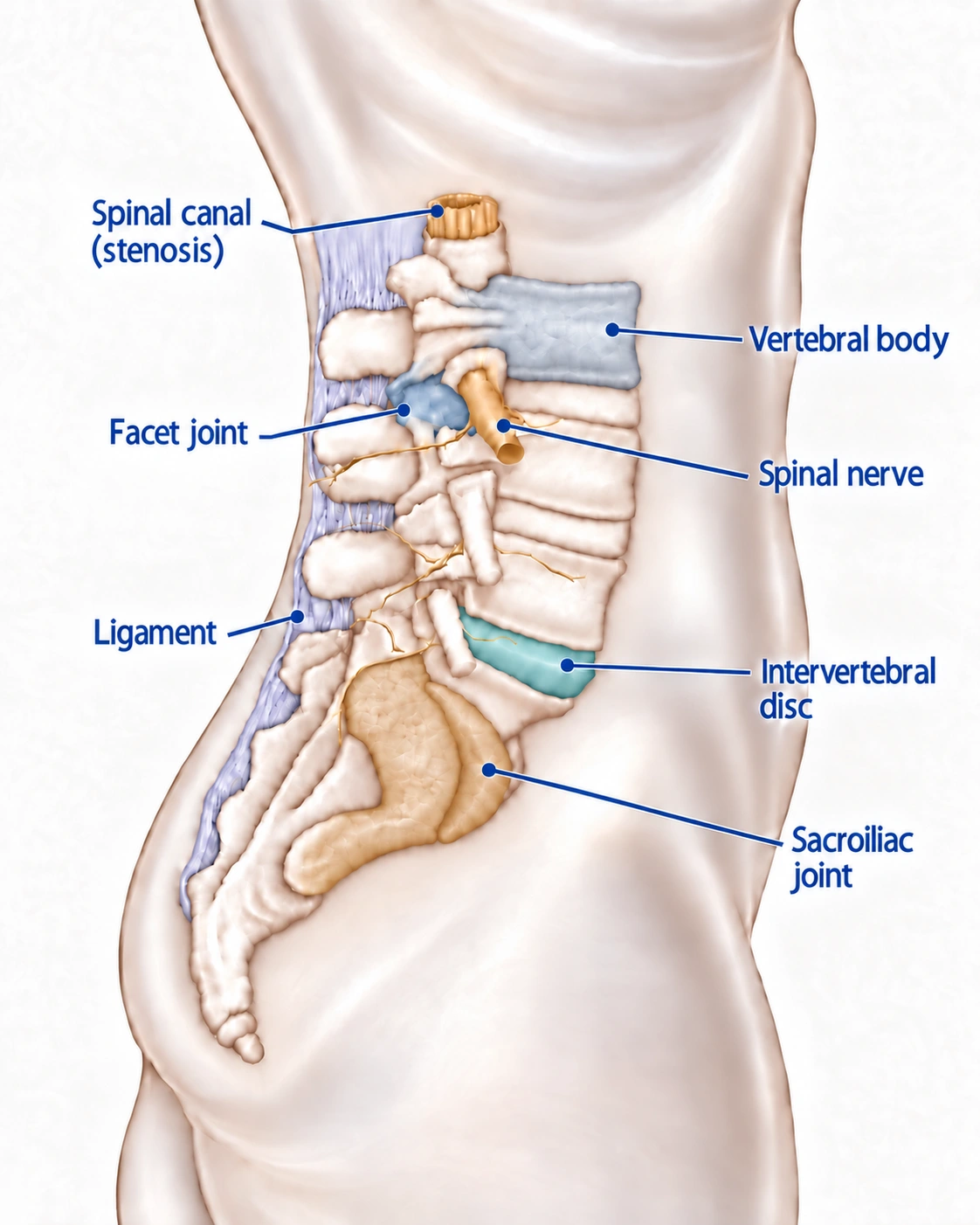
A closer look
Where can pain begin?
Explore common pain sources and read the accompanying patient guides.
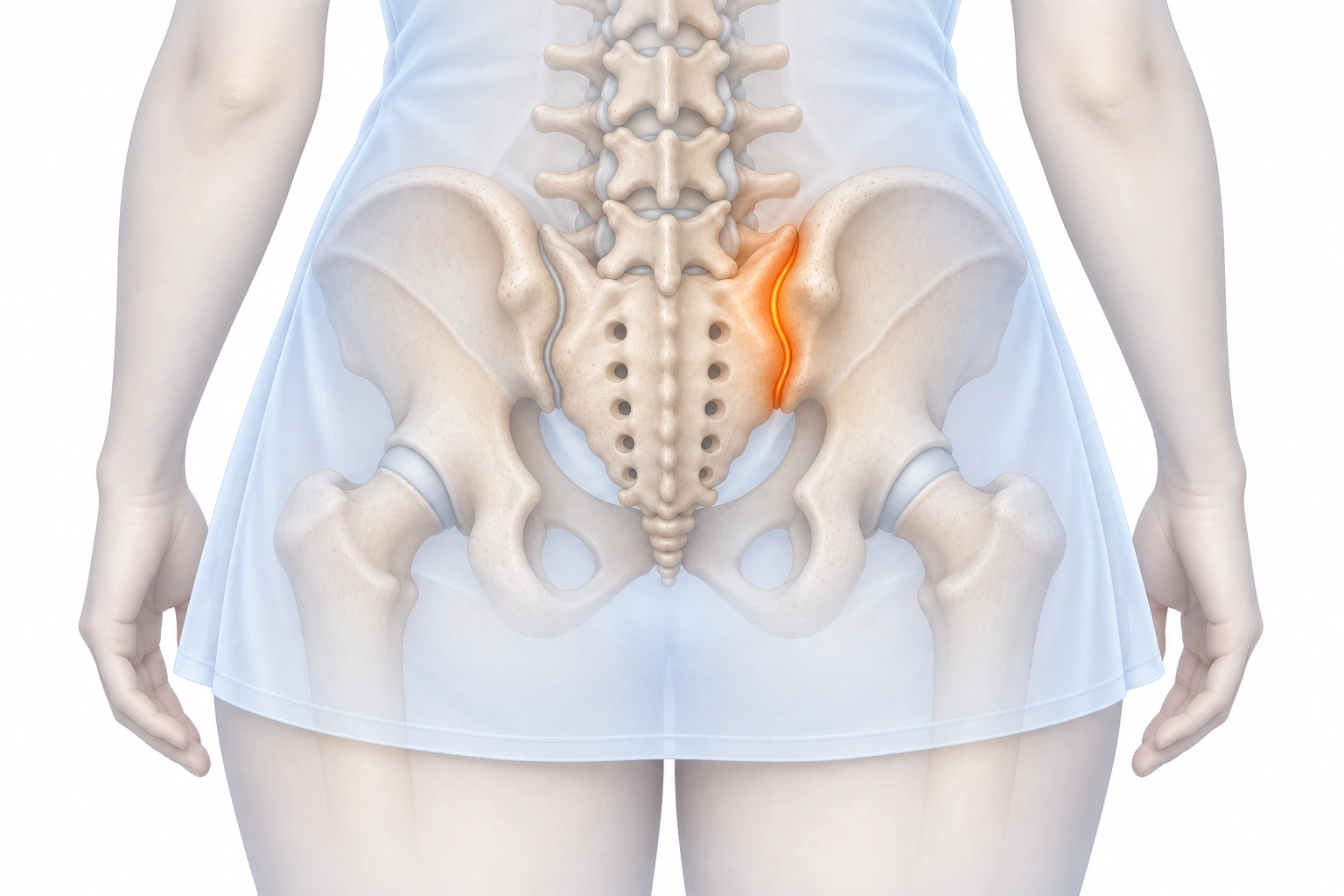
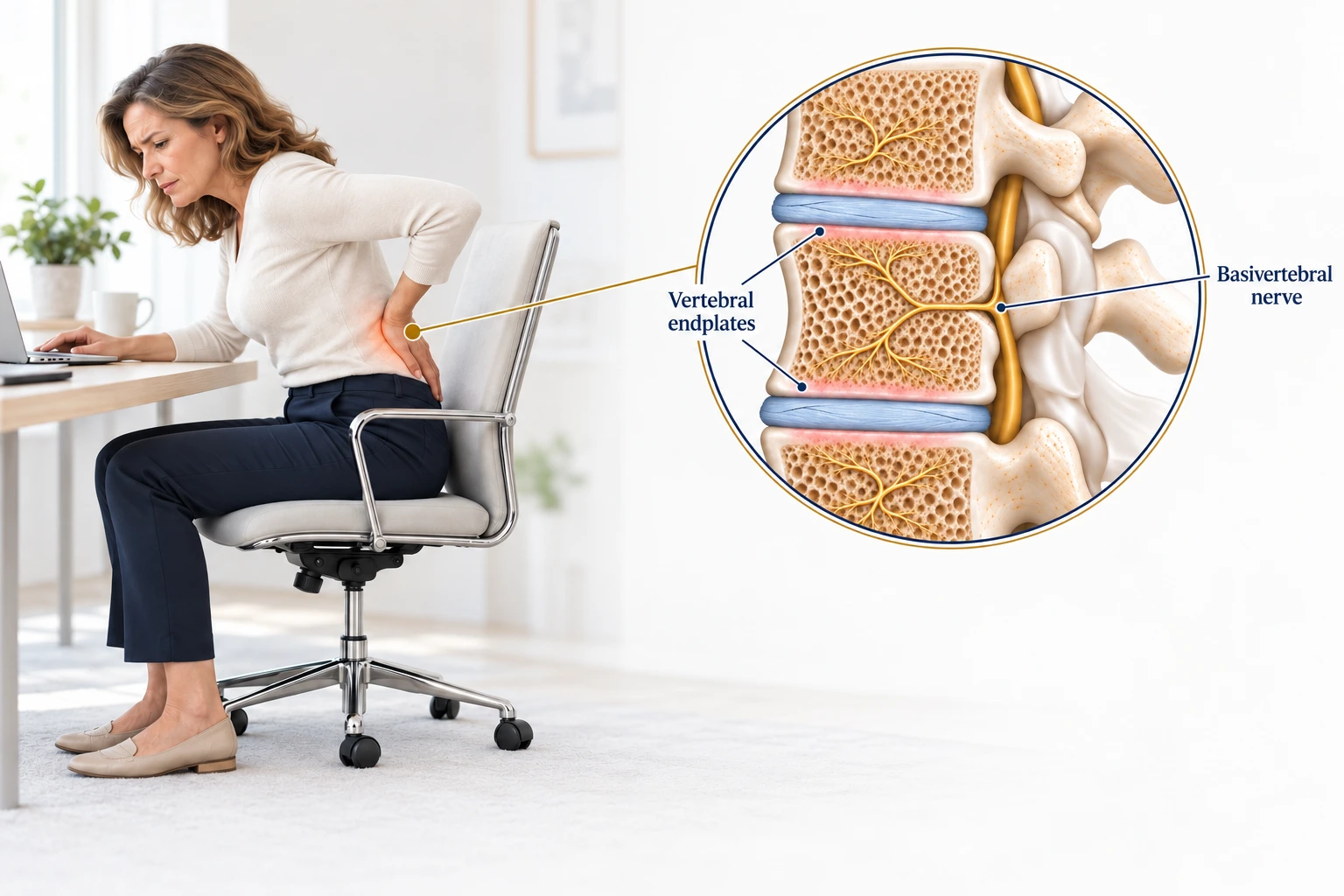
Vertebral endplates
Vertebrogenic pain
Pain associated with vertebral endplate changes. MRI findings must fit the clinical picture.

Joints at the back of the spine
Facet joint pain
Pain arising from the small joints at the back of the spine, evaluated with examination and selected diagnostic blocks.

Spinal nerve roots
Radicular pain
Arm or leg pain related to irritation of a spinal nerve root, sometimes with tingling or weakness.

Space around spinal nerves
Lumbar spinal stenosis
Narrowing around spinal nerves that may limit standing and walking.
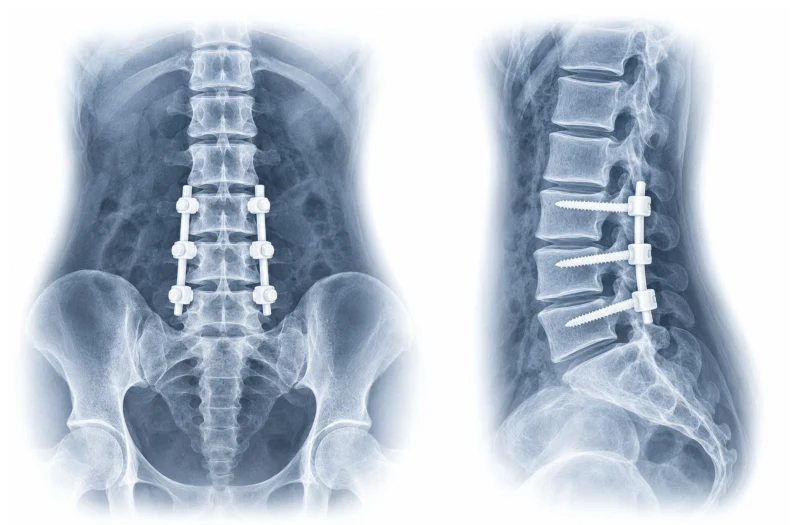
Persistent or changing symptoms
Pain after spine surgery
Persistent or new symptoms after surgery may have several overlapping causes.
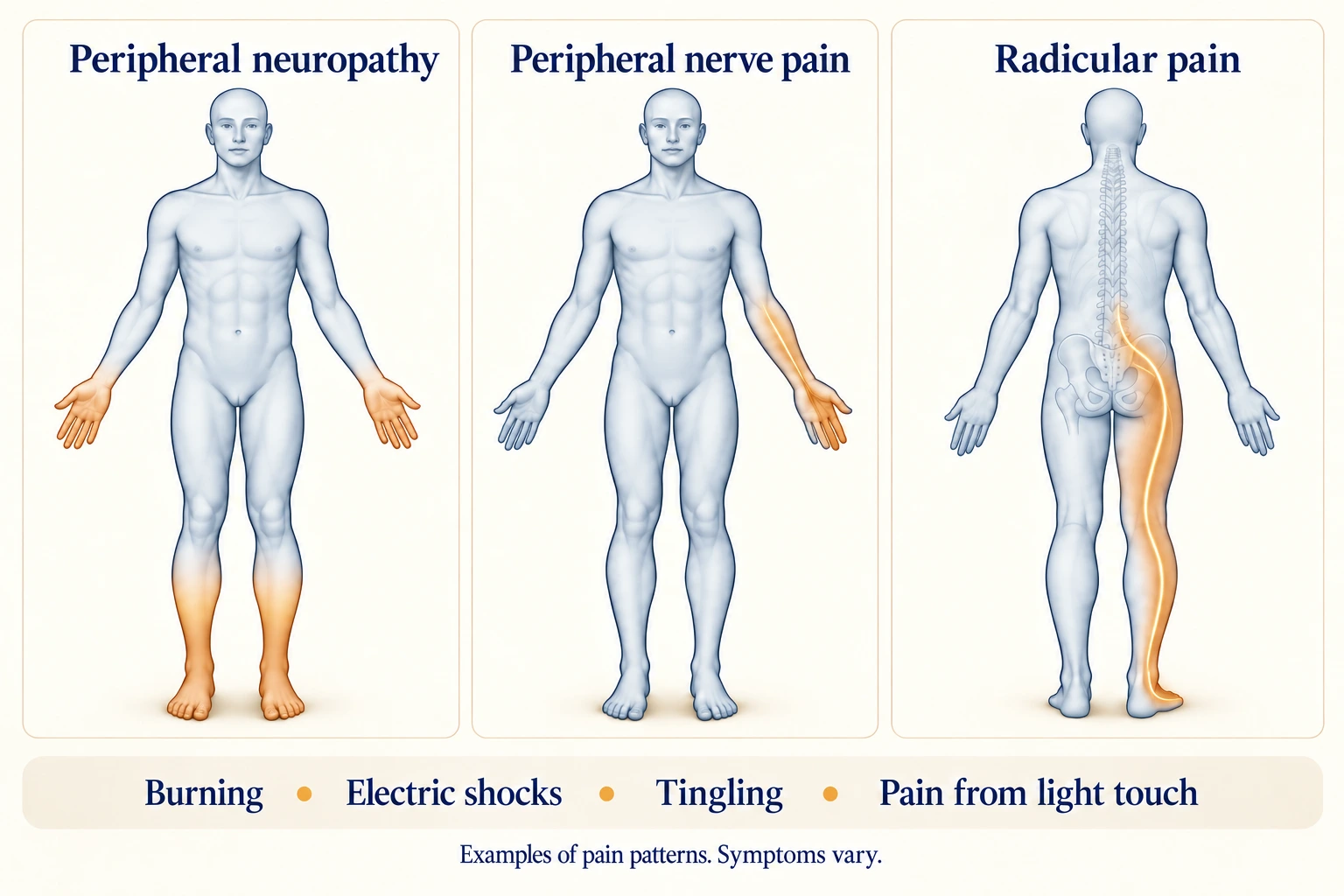
Injured or sensitized nerves
Neuropathic pain
Pain related to nerve injury or disease, including selected peripheral neuropathies and CRPS.
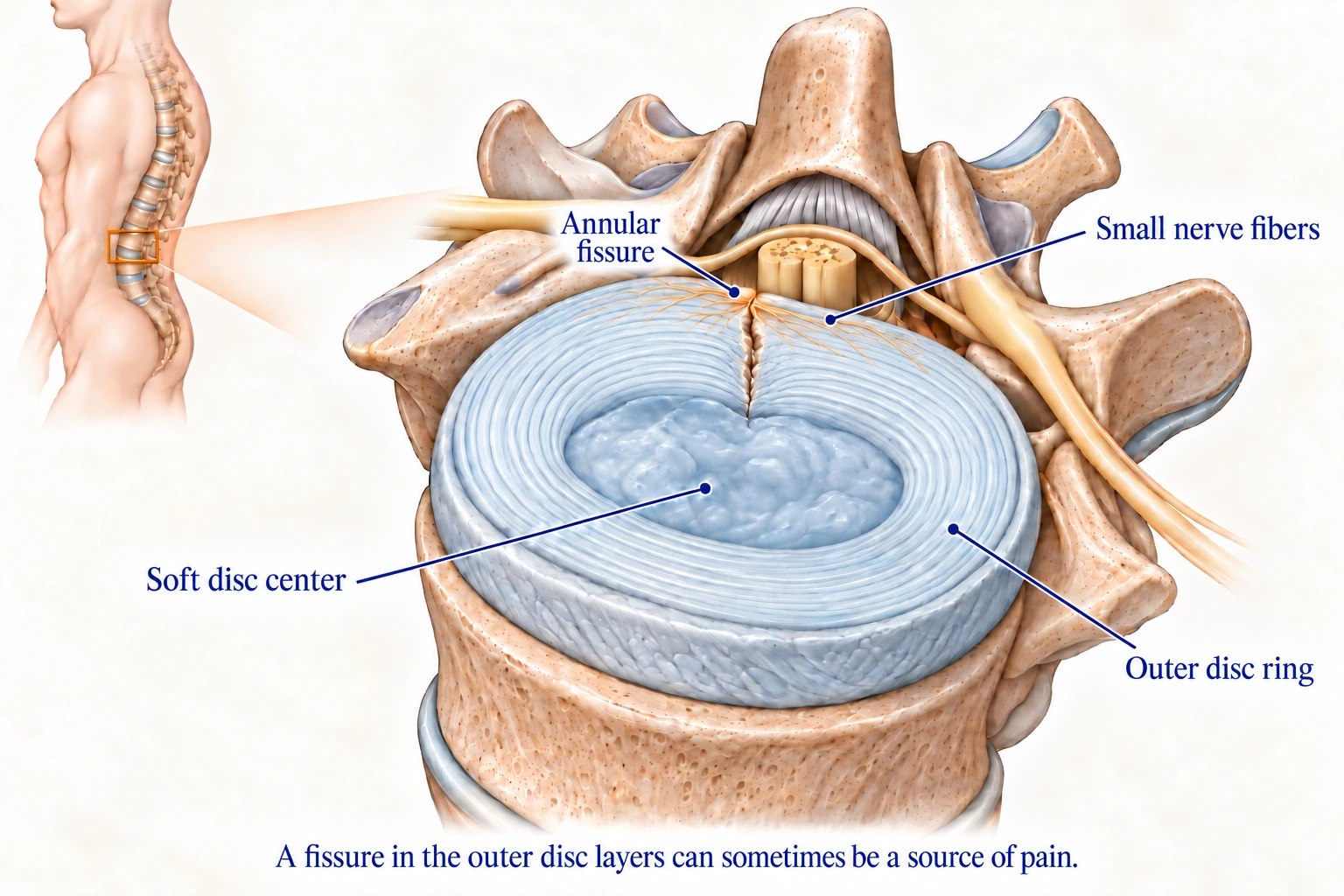
Intervertebral discs
Discogenic low back pain
Pain arising from the spinal disc itself, assessed alongside symptoms and imaging.
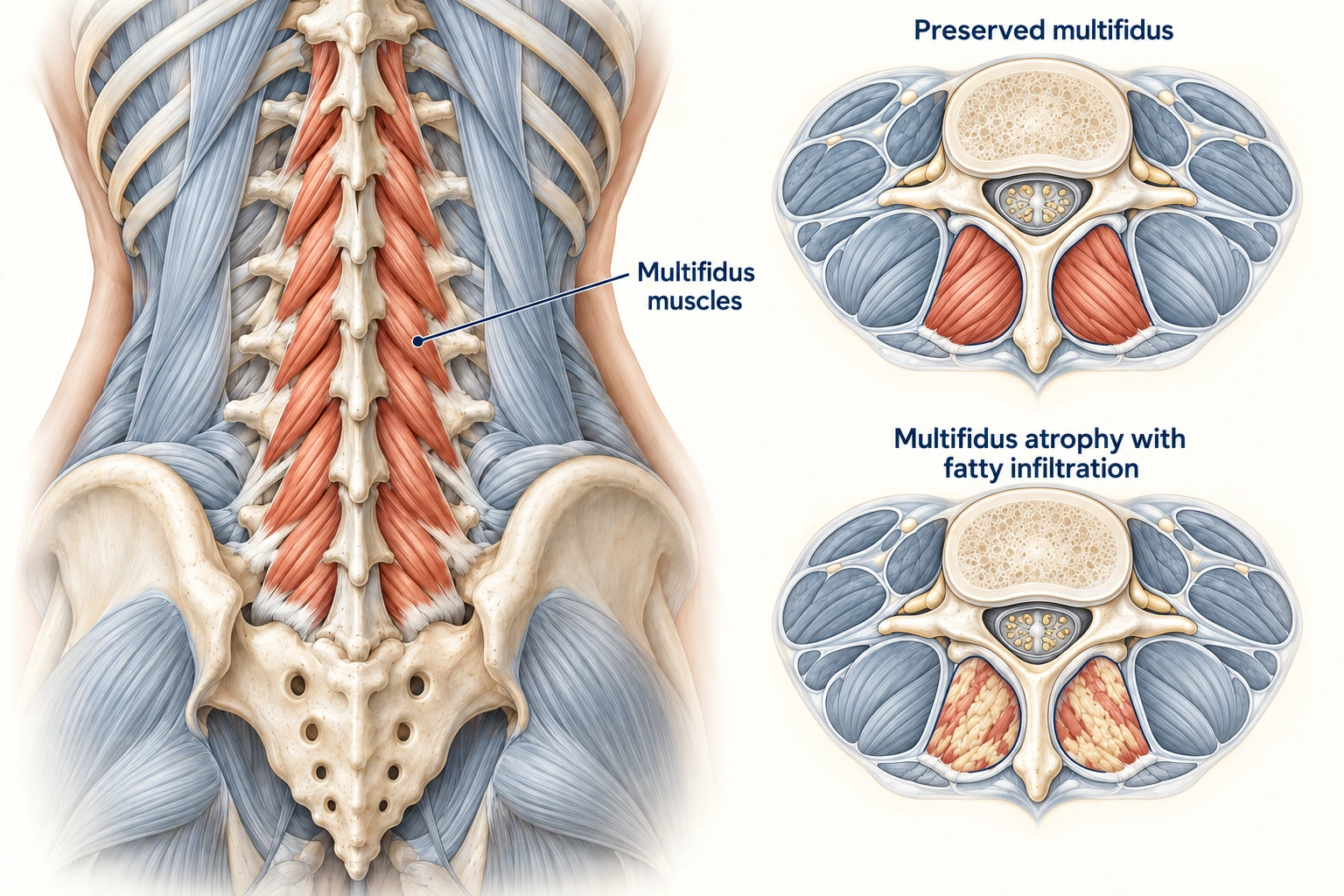
Deep spinal muscles
Multifidus muscle atrophy
Understanding muscle loss, fatty infiltration, and the role of deep muscle function in persistent back pain.
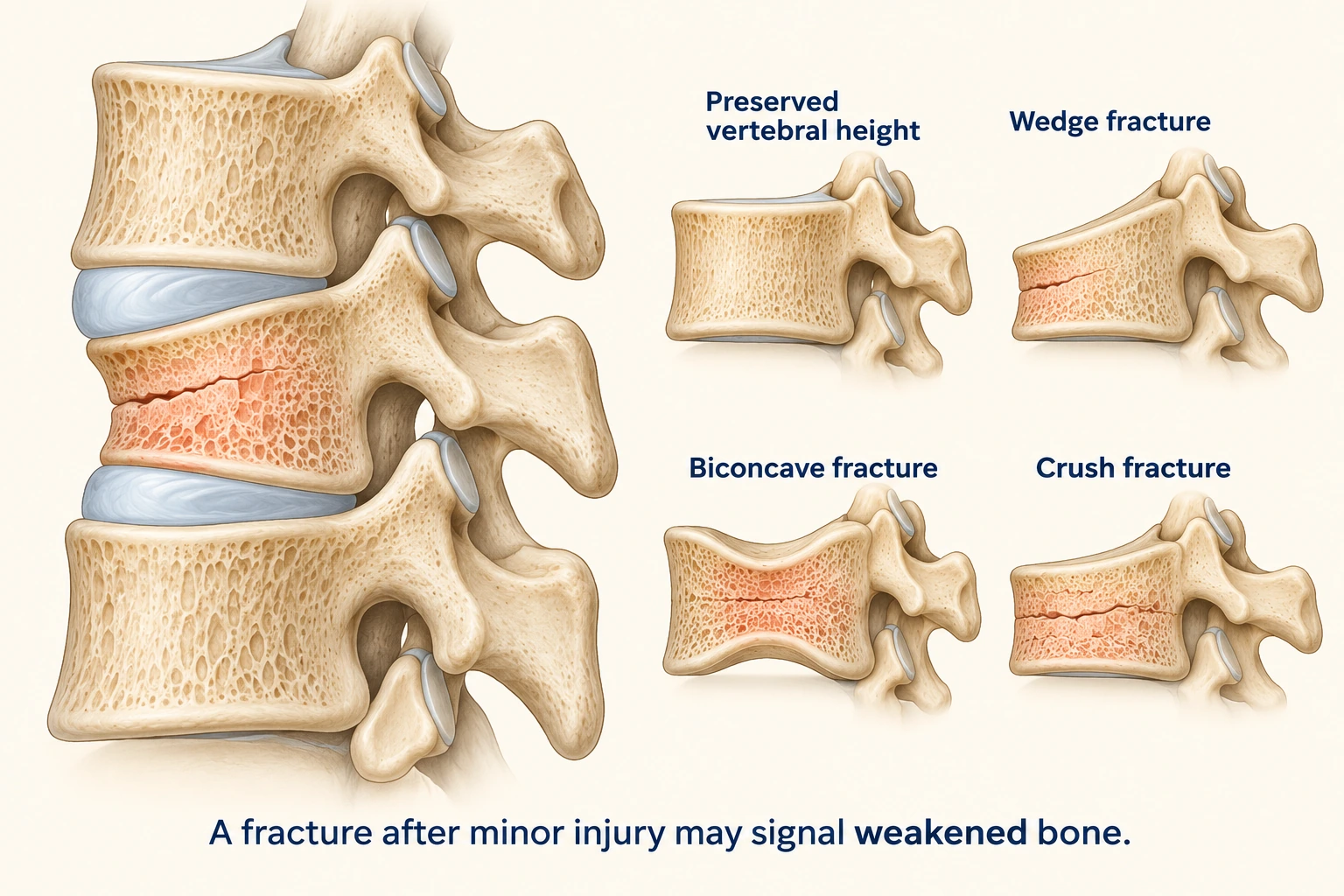
Spinal bone and bone health
Vertebral fragility fracture
Understanding compression fractures, treatment choices, and prevention of future fractures.
When to seek urgent care
New loss of bladder or bowel control, numbness around the groin, rapidly worsening weakness, or severe back pain with fever needs urgent medical assessment. Call 911 for a medical emergency.